Solenta Aviation
Solenta Aviation
About
Solenta Aviation is a South Africa-registered cargo airline operating under IATA designator S0 and ICAO code SET, with its principal hub at O.R. Tambo International Airport in Johannesburg (JNB). Specialising in air freight and charter logistics across the African continent, Solenta occupies a distinctive niche in a market where reliable cargo connectivity remains a persistent infrastructure gap — serving mining operations, humanitarian supply chains, and commercial freight customers in corridors that larger integrators and scheduled carriers often underserve.
Solenta Aviation has its roots in the broader landscape of African regional aviation, having developed over time from a specialist charter and contract operator into a more structured cargo carrier with a defined network footprint. The airline has historically been associated with contract flying for resource-sector clients — a business model common among southern and central African operators whose revenue base is anchored in long-term agreements with mining, energy, and non-governmental organisations rather than in open-market ticket sales.
The airline’s ownership structure has reflected the private, commercially driven character typical of independent African freight carriers. While full ownership details are not always publicly disclosed in granular form, Solenta has operated as a privately held entity, insulated from the state-ownership pressures that have complicated the finances of several flag carriers on the continent. Industry observers have noted that this independence has allowed the airline to respond with relative agility to shifting freight demand, particularly in sub-Saharan corridors.
In recent years, Solenta has attracted attention as consolidation pressures across African aviation have prompted smaller operators to seek strategic partnerships or restructuring. Any material corporate developments in ownership or group structure should be verified against current South African Civil Aviation Authority (SACAA) filings and company registry records, as the airline’s corporate profile has evolved incrementally rather than through headline-generating transactions.
Bases and Hubs
Johannesburg – O.R. Tambo International Airport (JNB): Solenta’s primary hub and administrative base, offering connectivity to southern, central, and east African freight corridors and access to South Africa’s largest cargo handling infrastructure.
Secondary and focus cities: Consistent with its contract and charter model, Solenta has operated into a range of secondary African airports — including points in the Democratic Republic of Congo, Angola, and other resource-rich sub-Saharan markets — where scheduled service is sparse and on-demand freight capacity commands a premium. Specific secondary base designations should be confirmed against current SACAA and operator certificates, as focus cities in charter-heavy operations can shift with contract cycles.
Fleet
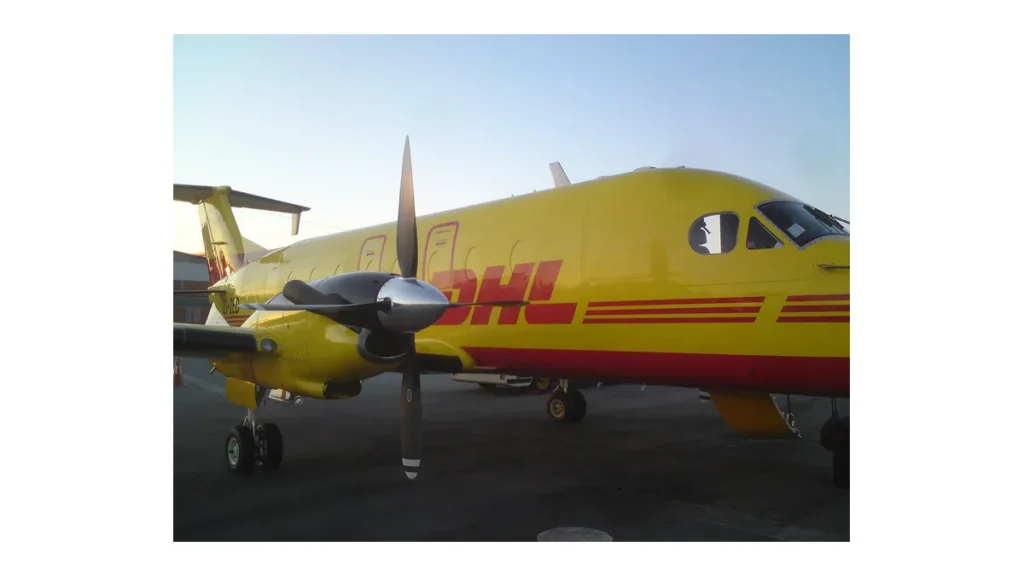
According to publicly disclosed fleet data and industry tracking sources, Solenta Aviation has operated turboprop and regional jet freighter types suited to the shorter runways and variable ground infrastructure characteristic of sub-Saharan African destinations. Aircraft from the ATR family — notably the ATR 42 and ATR 72 in freighter or combi configuration — have featured in the operator’s fleet profile, reflecting the type’s established role in African regional cargo operations. The airline has also been associated with operation of piston and turboprop types on shorter-haul contract routes. Industry estimates suggest the fleet has remained modest in size, calibrated to contract volumes rather than speculative capacity growth. Any recent fleet renewal activity or new aircraft orders should be verified against the SACAA aircraft register and manufacturer delivery records, as fleet composition in this segment can change materially within a single operating season.
Destinations
Solenta’s network is intra-African in character, with no intercontinental scheduled services in its publicly documented operational profile. The airline’s route activity is concentrated in southern and central Africa, with freight and charter flying into markets where cargo demand is driven by extractive industries, agricultural exports, and humanitarian logistics. Key route categories include mining-support charters into the DRC and Angola, general freight services within the southern African Development Community (SADC) region, and ad-hoc charter work responding to time-sensitive commercial or humanitarian requirements. Because Solenta operates substantially on a contract and charter basis rather than a published scheduled network, its “destinations” are better understood as a flexible operational footprint than a fixed route map in the conventional airline sense.
Codeshare and Alliance
Solenta Aviation is not a member of any of the three major global airline alliances — Star Alliance, SkyTeam, or oneworld. As a cargo-specialist and charter operator, the airline does not participate in the codeshare arrangements typical of scheduled passenger carriers. Its commercial relationships are structured around freight forwarding partnerships, ground handling agreements, and direct contracts with corporate and institutional clients rather than interline or codeshare ticketing frameworks. Freight industry partnerships, if any, should be verified directly with the airline or through current IATA cargo documentation.
Notable Incidents
No major safety incidents involving Solenta Aviation appear on its recent public safety record based on available aviation safety databases and SACAA documentation reviewed for this profile. Readers requiring a comprehensive safety history should consult the Aviation Safety Network database and the SACAA’s published accident and incident reports, which represent the authoritative record for South Africa-registered operators. As with all African regional operators, the airline is subject to SACAA oversight and the safety reporting requirements applicable to its operating certificates.
Financial and Operational Situation
As a privately held operator, Solenta Aviation does not publish audited financial results in the public domain, and no verified revenue or profitability figures are available for independent citation. Qualitatively, the airline’s contract-driven business model — anchored in multi-year agreements with resource-sector and institutional clients — provides a degree of revenue predictability that purely scheduled carriers lack, though it also creates exposure to commodity cycle downturns and client-specific operational changes. Industry observers note that African cargo specialists of Solenta’s profile have generally benefited from the post-pandemic reconfiguration of African freight markets, in which belly-cargo capacity on passenger routes proved unreliable and dedicated freighter operators gained commercial ground. The airline’s operational sustainability appears linked closely to the health of sub-Saharan resource extraction activity and the continued underinvestment in surface logistics infrastructure across its core markets.
Recent Developments
In the 24 months to mid-2026, African cargo aviation has been shaped by several macro forces relevant to Solenta’s operating environment: sustained demand for dedicated freight capacity in central African mining corridors, regulatory tightening by the SACAA on foreign-registered aircraft operating on South African AOCs, and growing interest from logistics groups in acquiring or partnering with established African regional operators. Whether Solenta has been directly involved in partnership discussions, new contract awards, or fleet additions during this period should be confirmed through current press releases, SACAA notices, and trade publications including ch-aviation and Aviation Week’s African coverage. Journalists and investors are encouraged to seek direct comment from the airline’s commercial and operations leadership for the most current operational picture.
Related Research
- South Africa Expert Briefing — full country profile for investors and journalists covering the South African aviation and logistics market
- African Airlines — the africa-research.org pillar covering carriers across the continent, from flag carriers to regional specialists
- African Airports — infrastructure profiles for key hubs including JNB, with data on cargo handling capacity and connectivity
- Country Comparison Tool — benchmark South Africa’s aviation market against peer African economies on connectivity, freight volume, and regulatory environment