Livingstone Museum
Livingstone Museum
About
The Livingstone Museum is Zambia’s oldest and largest national museum, and one of the most significant repositories of cultural and historical memory in sub-Saharan Africa. Situated in the city that shares its name — a former colonial administrative centre on the banks of the Zambezi — the museum holds collections spanning natural history, archaeology, ethnography, and the life of the Scottish missionary-explorer David Livingstone. For anyone seeking to understand Zambia’s layered past, it is an essential first stop.
The museum was founded in 1934, during the era of British colonial rule over what was then Northern Rhodesia. It began as a modest institution intended primarily to document the region’s natural environment and to commemorate Livingstone’s expeditions through central Africa. Its early decades reflected the curatorial priorities of the colonial administration: natural specimens, explorer memorabilia, and ethnographic objects collected with little formal consent from the communities they came from.
Over the decades following Zambian independence in 1964, the museum underwent a gradual but meaningful reorientation. Successive directors and curators worked to centre Zambian voices, histories, and material culture more prominently in the permanent galleries. The institution is today administered under the Museums Board of Zambia and continues to expand its research and public education mandate, serving school groups, international visitors, and academic researchers alike.
Country and city context
Zambia is a landlocked nation in southern-central Africa, bordered by eight countries and home to roughly 20 million people. Its economy has historically been anchored in copper mining, though tourism — particularly around Victoria Falls — has grown into a significant sector. The city of Livingstone, located in Zambia’s Southern Province approximately ten kilometres from Victoria Falls, was the country’s capital until 1935 and retains a distinctive colonial-era streetscape alongside a vibrant local culture. It draws a steady stream of adventure tourists, overland travellers, and wildlife visitors, many of whom pass through the museum district on Mosi-oa-Tunya Road. → Read the Zambia expert briefing
Collection highlights
The museum’s holdings are broad, and several galleries stand out as particularly compelling for different types of visitor.
- David Livingstone gallery: Personal artefacts associated with Livingstone, including journals, maps, and navigational instruments from his central African expeditions — among the most concentrated collections of Livingstone material on the continent.
- Ethnographic gallery: A substantial collection of traditional objects from Zambia’s 73 recognised ethnic groups, including ceremonial regalia, musical instruments, and everyday domestic items spanning several centuries.
- Archaeological collections: Stone Age and Iron Age material recovered from sites across Zambia, offering a long chronological view of human settlement in the region.
- Natural history displays: Taxidermy specimens, geological samples, and botanical records documenting the ecology of the Zambezi basin and surrounding ecosystems.
- History of Zambia gallery: A narrative gallery tracing the country’s history from pre-colonial kingdoms through the colonial period, the independence movement, and into the post-independence era.
- Postage stamp collection: An unexpectedly rich philatelic archive documenting the visual and political history of Northern Rhodesia and Zambia through official postal issues.
Architecture and building
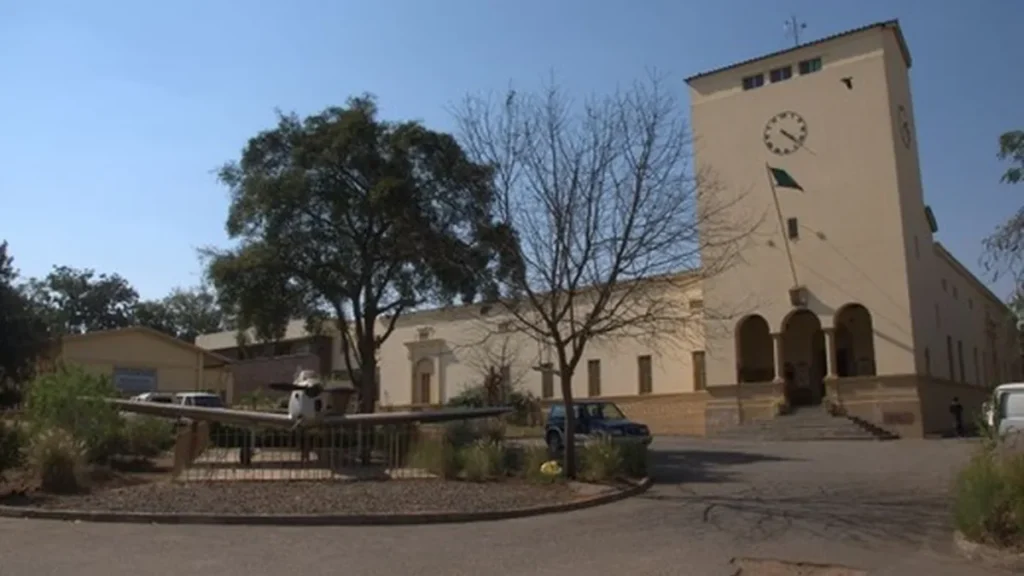
The museum occupies a colonial-era building on Mosi-oa-Tunya Road in central Livingstone. The structure dates to the early twentieth century and is characteristic of the administrative architecture built across British Central Africa during that period — solid, functional, and designed for a tropical climate. The specific architect is not widely documented in publicly available records. The building has undergone several phases of renovation and extension since independence, with donor-supported refurbishment work carried out in the 1990s and 2000s to improve gallery space and conservation storage. The grounds include outdoor display areas used for larger objects and occasional public programming.
Visiting practical
The Livingstone Museum is generally open six to seven days a week, including weekends, though hours can vary around public holidays and it is advisable to confirm current opening times directly with the museum or through the Museums Board of Zambia before visiting. Admission fees fall in a low-to-mid budget band by regional standards — typically more affordable for Zambian nationals than for international visitors, a tiered pricing model common across Zambian national institutions. The museum is located on Mosi-oa-Tunya Road in central Livingstone, within walking distance of several guesthouses and the main tourist corridor. Accessibility for visitors with mobility impairments is limited in parts of the older building; visitors with specific requirements are encouraged to contact the museum in advance.
Repatriation and debates
Like many ethnographic museums with roots in the colonial period, the Livingstone Museum holds objects that were collected under circumstances that would not meet contemporary ethical standards — items acquired without meaningful community consent during the nineteenth and early twentieth centuries. Zambia has not been among the most prominent voices in the formal international repatriation debates that have centred on institutions in Europe and North America, but the broader conversation is directly relevant to its collections. The museum’s ethnographic holdings include ceremonial and sacred objects from communities that may have legitimate claims to their return or co-stewardship. As of the time of writing, no major formal repatriation agreements involving the Livingstone Museum have been publicly documented, but the institution operates within a national and continental context in which these questions are becoming increasingly difficult to defer. Researchers and journalists working on provenance issues in central African collections may find the museum’s archives a useful starting point.
Recent developments
Confirmed details about specific exhibitions, leadership appointments, or capital projects at the Livingstone Museum within the past 24 months are not available in verified public sources at the time of writing. The museum has continued to operate as a functioning public institution and receives visitors as part of Livingstone’s broader tourism infrastructure. Readers with current information — including researchers, journalists, or museum staff — are encouraged to contact africa-research.org directly so this profile can be updated. Institutions of this significance deserve accurate, current documentation.
Related research
- Zambia expert briefing — political, economic, and travel context for the country
- Visa requirements — entry requirements for Zambia and neighbouring countries
- Travel industry coverage — analysis of tourism trends across the continent
- African airports guide — including Harry Mwanga Nkumbula International Airport, Livingstone’s gateway
- Country comparison tool — compare Zambia with other African destinations by key indicators