National Gallery of Zimbabwe
National Gallery of Zimbabwe
About
The National Gallery of Zimbabwe, situated in the heart of Harare, stands as the country’s foremost public art institution and one of the most significant cultural venues on the African continent. It holds a dual role: preserving a distinctive national artistic heritage while serving as a living platform for contemporary African creative expression. For travellers, students, and researchers alike, a visit here offers a rare opportunity to engage with art that is deeply rooted in place, history, and ongoing cultural conversation.
The gallery was founded in 1957, during the era of the Federation of Rhodesia and Nyasaland, initially conceived along the lines of a colonial cultural institution. Its early collection reflected the tastes and priorities of a settler administration, but the institution evolved substantially following Zimbabwean independence in 1980, reorienting its mission toward celebrating indigenous artistic traditions and supporting local artists.
A pivotal figure in shaping the gallery’s modern identity was Frank McEwen, its founding director, who served from 1957 into the 1970s. McEwen is widely credited with nurturing the Zimbabwean stone sculpture movement — sometimes called Shona sculpture, though that label is contested — by encouraging artists such as John Takawira and Bernard Matemera to work in the gallery’s workshop programme. His legacy remains influential, though it is also subject to scholarly debate regarding the degree of creative autonomy he afforded the artists he championed.
Country and city context
Zimbabwe is a landlocked southern African nation of approximately 15 million people, with a cultural landscape shaped by the ancient civilisation of Great Zimbabwe, the colonial period, a liberation struggle, and decades of complex post-independence politics. Its capital, Harare, is a city of roughly 1.5 million in the metropolitan area, functioning as the country’s commercial, political, and cultural hub. Despite persistent economic pressures, Harare maintains a vibrant arts scene, with the National Gallery at its institutional centre. → Read the Zimbabwe expert briefing
Collection highlights
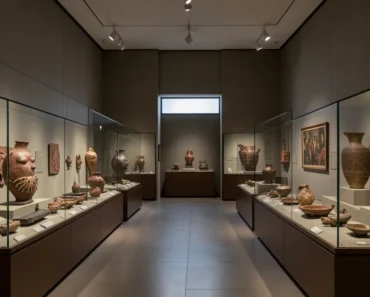
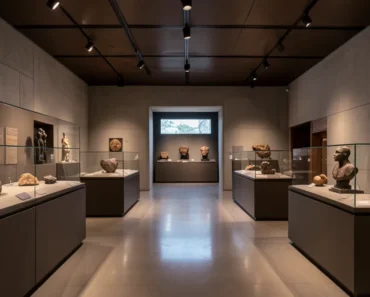
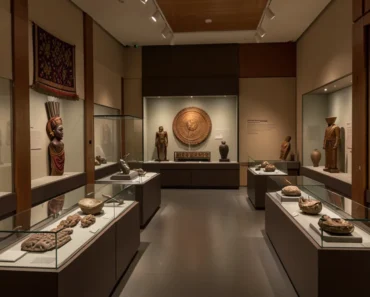
The gallery’s holdings are strongest in two areas: Zimbabwean stone sculpture and contemporary painting and mixed media from across the region. Among the works and areas of the collection that merit particular attention:
- Zimbabwean stone sculpture collection — a foundational holding of serpentine and springstone works by artists associated with the workshop movement of the 1960s and 1970s, representing some of the most internationally recognised art to emerge from sub-Saharan Africa in the twentieth century.
- Works by Bernard Matemera — pieces by this celebrated sculptor, known for figurative forms that blend human and spiritual imagery, anchor the permanent collection’s historical narrative.
- Contemporary Zimbabwean painting — the gallery holds works by prominent post-independence painters exploring themes of identity, urbanisation, and political memory.
- The workshop and studio archive — documentary and archival material relating to the McEwen workshop programme offers researchers a window into the contested history of how the sculpture movement was cultivated and promoted internationally.
- Travelling and temporary exhibition spaces — the gallery regularly hosts rotating exhibitions featuring artists from across Africa, making it a node in the broader continental contemporary art circuit.
Architecture and building
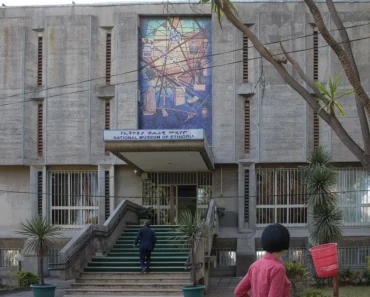
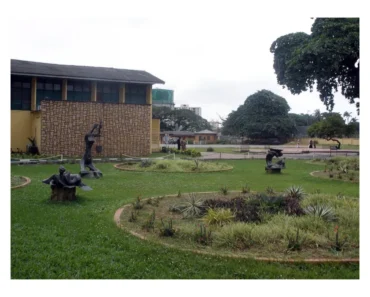
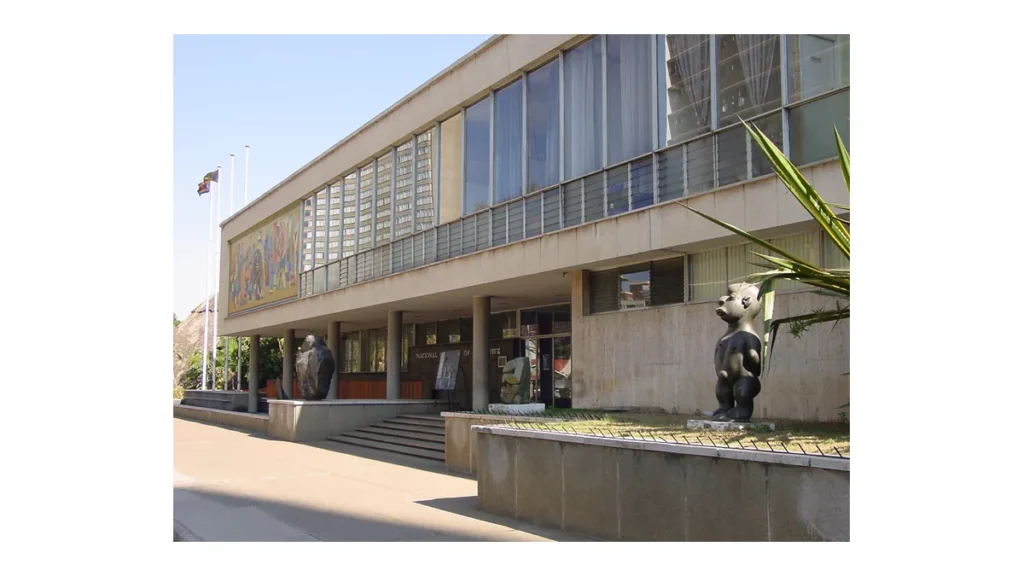
The National Gallery of Zimbabwe occupies a purpose-built structure on Julius Nyerere Way in central Harare, opened in the late 1950s to coincide with the institution’s founding. The building reflects the civic modernist architectural sensibility common to colonial-era public institutions across the region. It is not attributed to a single internationally prominent architect in widely available records. The gallery has undergone periodic renovation and refurbishment over the decades, with efforts in recent years focused on improving gallery lighting, climate control for conservation purposes, and accessibility infrastructure, though the building retains its original mid-century footprint.
Visiting practical
The National Gallery of Zimbabwe is located on Julius Nyerere Way in central Harare, within walking distance of major hotels and the city’s central business district. The gallery is generally open Tuesday through Sunday, with Monday closures typical of many public galleries in the region; visitors should confirm current hours directly with the institution before travelling, as schedules can shift around public holidays and special events. Admission falls in the low-cost band — entry fees are modest by international standards and are often denominated in USD given Zimbabwe’s currency environment. Concessions are typically available for students and children. The building has ground-floor gallery spaces accessible to visitors with mobility considerations, though the older structure may present some limitations; contacting the gallery in advance is advisable for specific accessibility needs.
Repatriation and debates
The National Gallery of Zimbabwe occupies an interesting position in repatriation conversations: unlike many African museums whose colonial-era collections were assembled through extraction, the gallery’s primary holdings were created within Zimbabwe and largely remain there. However, the broader question of Zimbabwean stone sculpture held in European and North American collections — acquired through the international promotion efforts of figures like Frank McEwen and later dealers — is a live issue in art world discourse. Zimbabwean artists and cultural commentators have periodically raised concerns about the degree to which the most celebrated works from the mid-twentieth-century movement reside outside the country, and whether the artists and their communities received equitable recognition and compensation. The gallery itself is not at the centre of a formal repatriation claim in the way that ethnographic museums in Europe are, but it is a stakeholder in the wider conversation about how Zimbabwean artistic heritage is valued, located, and narrated globally.
Recent developments
In the period from 2023 to 2025, the National Gallery of Zimbabwe has continued its programme of contemporary exhibitions, with a focus on amplifying younger Zimbabwean artists working across painting, sculpture, photography, and digital media. The gallery has engaged with pan-African cultural networks, participating in conversations around the development of the African art market and the visibility of Zimbabwean artists at international art fairs. Leadership and programming details for this period should be verified directly with the institution, as staffing and curatorial appointments in the region’s public galleries can change with limited international press coverage. Researchers and journalists seeking current information are encouraged to contact the gallery directly or consult the Zimbabwean arts press.