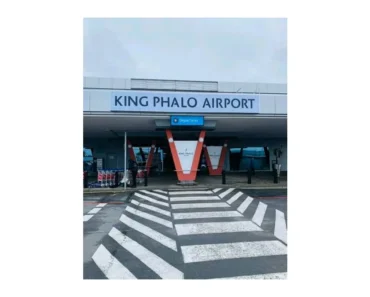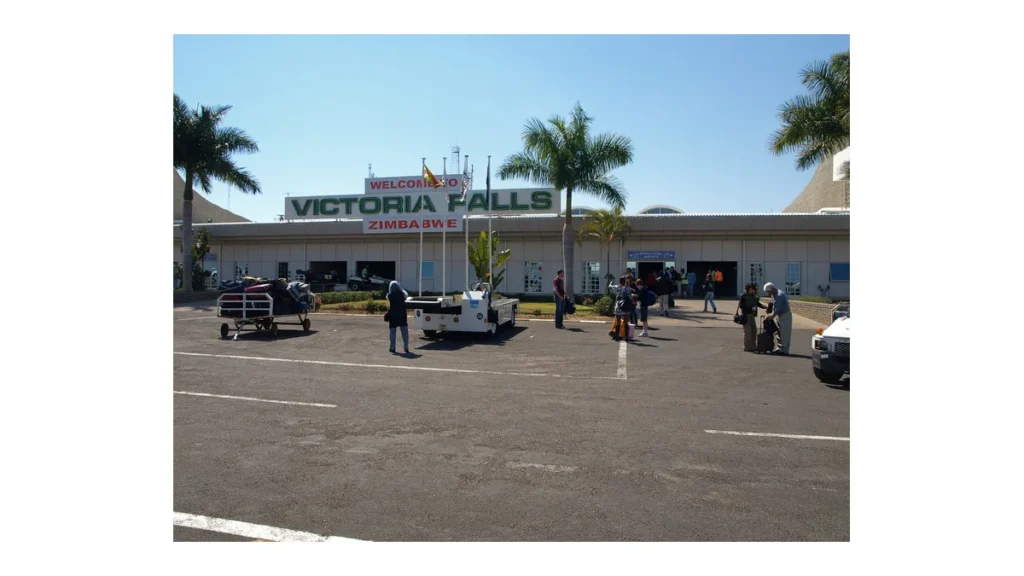
Victoria Falls International Airport
Victoria Falls International Airport
About
Victoria Falls International Airport (IATA: VFA / ICAO: FVFA) occupies a singular position in African aviation: it is the primary air gateway to one of the continent’s most celebrated natural landmarks, the Victoria Falls, and by extension a critical node in southern Africa’s tourism economy. Unlike the sprawling multi-purpose hubs of Johannesburg or Nairobi, VFA is purpose-built around leisure and wildlife travel, serving a concentrated but high-value passenger base of international tourists, safari operators, film crews, and researchers. Its operational profile makes it a useful case study in how a relatively small airport can punch well above its weight in terms of international connectivity and economic significance.
The airport traces its origins to a colonial-era aerodrome that served the Rhodesian tourism circuit, but its modern identity was shaped by post-independence investment in Zimbabwe’s hospitality sector. The facility was formally developed and upgraded through successive phases managed under the Civil Aviation Authority of Zimbabwe (CAAZ), the statutory body responsible for airport operations and air navigation services across the country. CAAZ continues to act as both regulator and operator — an arrangement that has drawn periodic scrutiny from international aviation bodies but remains the structural reality of Zimbabwean civil aviation.
The most consequential transformation of the airport came with a major expansion project that was completed in 2016, ahead of the United Nations World Tourism Organization (UNWTO) General Assembly held in Victoria Falls and Livingstone that year. The redevelopment substantially enlarged the terminal building, upgraded airside infrastructure, and extended the runway to accommodate wide-body jet operations — a change that made direct long-haul services operationally viable for the first time. The expanded facility was widely cited at the time as a signal of Zimbabwe’s intent to reposition itself as a premier African tourism destination.
Country
Zimbabwe is a landlocked nation in southern Africa, bordered by Zambia to the north, Mozambique to the east, South Africa to the south, and Botswana and Namibia to the west. Its capital is Harare, and the country’s population is estimated in the tens of millions, placing it among the mid-sized nations of the sub-Saharan region. Zimbabwe holds significant strategic importance within the Southern African Development Community (SADC) bloc, sharing the Zambezi River corridor — and the Victoria Falls themselves — with Zambia in a cross-border tourism zone that draws visitors from across the globe. The country’s economy has faced well-documented structural challenges over recent decades, but its tourism and conservation sectors remain internationally recognised assets.
→ Read the Zimbabwe expert briefing
Airlines Based Here
Victoria Falls International Airport does not function as a primary hub for any single carrier in the conventional sense, but it serves as a key focus city for Zimbabwe’s national carrier, Air Zimbabwe, which operates scheduled domestic and regional services connecting VFA to Harare (Robert Gabriel Mugabe International Airport). Air Zimbabwe’s presence at VFA is operationally significant as it provides the essential domestic link that allows international visitors arriving on foreign carriers to continue their journey within the country. The airline has faced well-publicised financial and operational difficulties over the years, and its schedule and fleet should be verified directly with the carrier before travel.
Beyond Air Zimbabwe, the airport is served by a range of visiting carriers that treat VFA as a destination rather than a base. South African Airways and its low-cost affiliate Airlink (which operates independently following SAA’s restructuring) have maintained services on the Johannesburg–Victoria Falls corridor, one of the most commercially important routes on the airport’s network. Fastjet, the pan-African low-cost carrier, has at various points operated services into VFA, reflecting the airport’s appeal to budget-conscious regional travellers. Ethiopian Airlines, one of Africa’s most expansive network carriers, has also featured VFA within its continental route map, providing onward connectivity through Addis Ababa Bole International Airport.
Flights and Destinations
The route network at VFA is shaped almost entirely by tourism demand, which means it is both geographically diverse and seasonally sensitive. The dominant axis is the Johannesburg (O.R. Tambo International) connection, which functions as the primary international transfer point for intercontinental passengers arriving from Europe, North America, and Asia. Within the African continent, representative destinations served or recently served include Harare, Johannesburg, Cape Town, Nairobi, and Addis Ababa. The Harare domestic route is the backbone of the network for Zimbabwean travellers and business visitors.
On the intercontinental side, the 2016 runway extension opened the door to longer-range operations, and industry observers have periodically noted the potential for direct services from European source markets — particularly the United Kingdom, Germany, and the Netherlands, which generate significant safari tourism traffic to southern Africa. Whether such routes are commercially sustained at any given time depends on seasonal load factors and airline network strategy; travellers and analysts should consult current airline schedules rather than relying on historical route maps. Livingstone Airport in Zambia, located on the opposite bank of the Zambezi, serves as a functional twin gateway to the same tourism zone and is worth considering in any comparative network analysis.
Facilities and Capacity
Following the 2016 redevelopment, Victoria Falls International Airport operates from a single modern terminal building that handles both international and domestic traffic. The terminal features dedicated check-in halls, immigration and customs processing areas, a modest retail and food and beverage offer, and VIP lounge facilities — a reflection of the high proportion of premium leisure travellers the airport serves. The airside environment is functional rather than elaborate, consistent with the airport’s classification as a small-to-medium international hub by African standards.
The airport has a single primary runway, which was extended as part of the 2016 works to a length capable of accommodating wide-body aircraft including Boeing 767 and Airbus A330 class jets under appropriate load and weather conditions. Cargo facilities exist but are limited in scale, reflecting the passenger-dominant nature of the operation; perishable and specialist cargo (including wildlife-related consignments) are handled, but VFA is not a significant freight hub. According to publicly disclosed information from CAAZ, the airport is classified as an international aerodrome meeting ICAO standards for the categories of operation it supports. Passenger throughput, while not independently verifiable here, is understood from industry estimates to place VFA firmly in the small international airport category by global metrics, though it represents one of Zimbabwe’s busiest entry points by international visitor volume.
Visa Regulations
Travellers arriving at Victoria Falls International Airport are subject to Zimbabwe’s national visa regime, which has evolved considerably in recent years as the government has sought to reduce friction for tourism arrivals. As of the time of writing, Zimbabwe operates a tiered system: citizens of a number of countries — including many within the SADC region and some Commonwealth nations — may enter visa-free for short stays. Travellers holding passports from the United States, the United Kingdom, and most European Union member states are generally eligible to obtain a visa on arrival at VFA, or to apply in advance through Zimbabwe’s eVisa portal, which allows pre-approval before departure. The KAZA UniVisa, a joint initiative between Zimbabwe and Zambia, is available at VFA and offers a cost-effective option for visitors intending to cross between the two countries during a single trip — a common itinerary for Victoria Falls visitors.
Visa fees, eligible nationalities, and permitted stay durations are subject to change without extensive advance notice. Travellers, journalists on assignment, and researchers entering on specific visa categories should verify current requirements directly with the Zimbabwe Embassy or High Commission in their country of residence, or through the official CAAZ and Zimbabwe Immigration Department channels. → Check the live visa requirements lookup
Recent Developments
In the period leading into 2026, Victoria Falls International Airport has continued to attract attention as Zimbabwe’s government has placed tourism recovery and aviation connectivity at the centre of its economic strategy following the disruptions of the COVID-19 pandemic years. Route restoration has been a key theme: carriers that suspended or reduced services during the pandemic have been progressively rebuilding frequencies on the Johannesburg and regional corridors, and CAAZ has publicly signalled its intent to attract new airline partners to the gateway. Airlink, in particular, has been an active presence in the post-pandemic recovery phase, maintaining scheduled jet services on the Johannesburg route.
Infrastructure dialogue has also been ongoing. Industry and government sources have discussed the potential for further terminal enhancements to improve passenger processing capacity and the quality of the landside experience, though specific project timelines and budgets have not been independently confirmed at the time of writing. The broader policy environment — including Zimbabwe’s engagement with the Single African Air Transport Market (SAATM) framework under the African Union — will shape the medium-term trajectory of the airport’s connectivity. Researchers and analysts tracking the airport should monitor CAAZ announcements and the Zimbabwe Ministry of Transport and Infrastructural Development for authoritative updates.
News and Reports
Ongoing operational and commercial news relating to Victoria Falls International Airport is best sourced through a combination of official and specialist channels. The Civil Aviation Authority of Zimbabwe publishes regulatory notices, aeronautical information, and periodic operational updates through its official communications; journalists and researchers should register for CAAZ notices directly. The Zimbabwe Tourism Authority (ZTA) also publishes visitor arrival data and destination performance reports that provide useful context for understanding VFA’s traffic trends. At the regional level, IATA’s Africa and Middle East regional office produces periodic reports on African aviation market development, liberalisation progress, and traffic recovery that situate VFA within the broader continental picture. ICAO’s Eastern and Southern African Regional Office (ESAF), based in Nairobi, is the relevant body for safety oversight and standards compliance reporting. Specialist aviation trade publications including ch-aviation, anna.aero, and the African Aviation Tribune provide route-level analysis and airline news that frequently covers VFA developments. Travellers seeking real-time schedule and operational information should consult airline websites and the CAAZ directly.