Tripoli International Airport
Tripoli International Airport
About
Tripoli International Airport (IATA: TIP / ICAO: HLLT) serves as Libya’s principal gateway to the world and one of North Africa’s strategically positioned aviation hubs. Sitting at the crossroads of Mediterranean, Middle Eastern, and sub-Saharan African air routes, TIP plays a role that extends well beyond its immediate catchment area — functioning as a critical node for diplomats, humanitarian workers, energy-sector personnel, and the Libyan diaspora travelling to and from a country that remains central to regional geopolitics and African Union affairs.
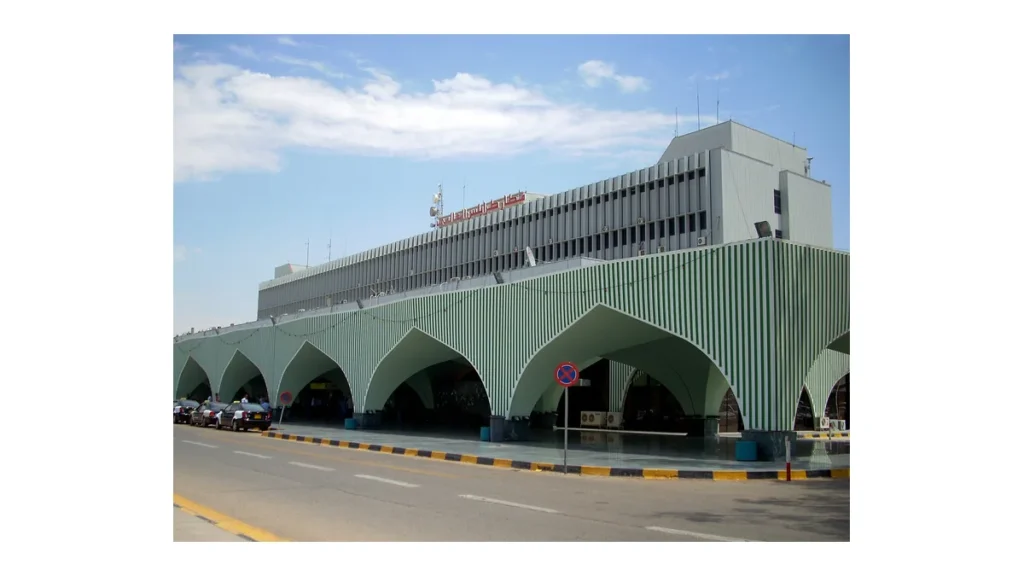
The airport’s origins trace to the mid-twentieth century, when Tripoli’s aviation infrastructure was developed under the Libyan monarchy and subsequently expanded during the early years of the Gaddafi era. The facility that travellers recognise today as Tripoli International Airport — located approximately 27 kilometres south of the city centre in the Qasr Bin Ghashir district — was substantially developed through the 1970s and 1980s, with a major terminal complex constructed to handle the surge in traffic that accompanied Libya’s oil boom. Ownership and operational authority rests with the Libyan Civil Aviation Authority (LCAA), the state body responsible for regulating and managing the country’s airport network.
The airport’s modern trajectory has been shaped as much by political events as by planned infrastructure investment. Conflict and instability following 2011 severely disrupted operations, and TIP has undergone successive periods of closure, partial reopening, and rehabilitation. As of 2026, the airport continues to operate under conditions that reflect both the resilience of Libya’s aviation sector and the ongoing challenges of post-conflict reconstruction. Expansion plans have been discussed at various points by successive administrations, though the timeline and financing of any major capital programme remain subject to the country’s broader political settlement.
Country
Libya is a North African state bordering the Mediterranean Sea to the north, with Tunisia and Algeria to the west, Niger and Chad to the south, and Sudan and Egypt to the east. Tripoli serves as the internationally recognised capital. With a population estimated in the tens of millions and vast hydrocarbon reserves underpinning its economy, Libya occupies a pivotal position in both the African Union and the Arab League. Its geographic scale — the fourth-largest country on the African continent by area — makes air connectivity not merely a convenience but an economic and administrative necessity. → Read the Libya expert briefing
Airlines based here
Libyan Airlines, the state-owned national carrier, has historically used Tripoli International Airport as its primary hub and operational base, connecting the capital to domestic points including Benghazi, Misrata, and Sabha, as well as to international destinations across the Arab world and Europe. Afriqiyah Airways, Libya’s second flag carrier, has also operated out of TIP, with a network historically oriented toward African destinations and European leisure markets. Both carriers have experienced significant operational disruption over the past decade, and their current schedules should be verified directly with the airlines or through the LCAA. On the visiting-carrier side, airlines including Turkish Airlines, Tunisair, Egypt Air, and Middle East Airlines have at various points maintained scheduled services into TIP, reflecting the airport’s role as a connecting point between Libya and the broader Mediterranean and Gulf regions. Charter operators serving the energy sector — particularly those transporting personnel to and from oil and gas installations — also represent a meaningful share of movements at the airport.
Flights and destinations
Tripoli International Airport’s route network, while smaller than its pre-2011 footprint, spans continental African, Middle Eastern, and European destinations. Within Africa, connections to Tunis (Tunis-Carthage International Airport), Cairo (Cairo International Airport), and Casablanca (Mohammed V International Airport) represent key regional links. Istanbul (Istanbul Airport) has been among the most consistently served intercontinental points, reflecting the strong commercial and diplomatic ties between Libya and Turkey. Amman (Queen Alia International Airport) and Beirut (Rafic Hariri International Airport) serve the significant Libyan-Arab community travel market. Within Libya, domestic services link Tripoli to Benghazi’s Benina International Airport and to southern cities. The full scope of active routes fluctuates with airline scheduling decisions and security conditions; travellers and analysts are advised to consult current GDS data or airline booking platforms for live route availability rather than relying on historical schedules.
Facilities and capacity
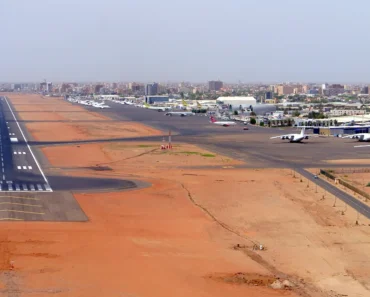
Tripoli International Airport operates with a terminal complex that was designed to handle a substantially higher volume of passengers than current conditions typically produce, giving it a degree of latent capacity that could be activated as political and security circumstances stabilise. The airport is served by two primary runways, oriented to accommodate the range of commercial aircraft types operated by regional and intercontinental carriers. Cargo facilities exist on site, serving both commercial freight and humanitarian logistics — the latter having been particularly significant during periods of conflict and crisis. By the classification standards used in African aviation analysis, TIP is generally regarded as a medium-capacity hub, with actual throughput in recent years falling well below its designed ceiling. According to publicly disclosed traffic data and industry estimates, passenger volumes remain sensitive to political developments and have not consistently recovered to pre-2011 levels. Planned expansion and rehabilitation works have been referenced in LCAA communications and Libyan government statements, though confirmed project timelines and budgets have not been consistently made available in the public domain.
Visa regulations
Libya operates a relatively restrictive visa regime, and travellers arriving at Tripoli International Airport from most Western countries — including the United States, United Kingdom, and European Union member states — are generally required to obtain a visa in advance through a Libyan embassy or consulate. As of 2026, Libya does not operate a widely available eVisa system for most nationalities, and visa-on-arrival arrangements are limited. Holders of passports from certain Arab League member states may benefit from simplified entry procedures, though conditions vary. Travellers holding Israeli-issued passports or passports bearing Israeli stamps have historically faced entry restrictions. It is important to note that visa regulations in Libya are subject to change at short notice given the country’s evolving governance situation, and the information above reflects general conditions rather than a guarantee of current policy. For the most current and nationality-specific visa requirements applicable to arrivals at TIP, consult the live visa requirements lookup.
Recent developments
The 24 months leading into 2026 have seen a cautious but notable resumption of activity at Tripoli International Airport. Several international carriers that had suspended Libyan services during earlier periods of instability have explored or reinstated limited scheduled operations, reflecting a degree of improved confidence among airline network planners. Turkish Airlines has maintained a visible presence, and regional carriers have incrementally added frequencies on North African trunk routes. On the infrastructure side, rehabilitation works on terminal facilities and airside equipment have been reported by Libyan civil aviation officials, though independent verification of the scope and completion status of these works remains limited. Regulatory engagement between the LCAA and ICAO’s Middle East and Africa regional offices has continued, with a focus on safety oversight compliance — an area that has historically attracted scrutiny given the disruptions to Libya’s aviation regulatory framework. Journalists and analysts covering the airport should note that operational conditions can shift rapidly and that ground-level reporting from accredited correspondents remains the most reliable source of current situational data.
News and reports
Ongoing operational and regulatory news relating to Tripoli International Airport is best tracked through a combination of official and industry sources. The Libyan Civil Aviation Authority publishes periodic statements and notices to airmen (NOTAMs) through standard aeronautical information channels accessible to aviation professionals. ICAO’s regional office covering Africa and the Middle East produces safety and regulatory oversight reports that periodically address Libyan airspace and airport operations. IATA’s Africa regional communications and its Slot Coordination services provide data relevant to capacity and scheduling. For journalistic and research purposes, wire services with North Africa bureaux — including Reuters and AFP — provide the most timely reporting on security-related disruptions. Specialist aviation trade publications including ch-aviation, Cirium, and Aviation Week Network maintain Libya-specific tracking that is valuable for analysts monitoring fleet, route, and airline developments. Researchers should also consult the African Development Bank’s infrastructure reporting and United Nations Support Mission in Libya (UNSMIL) documentation for the broader political economy context within which the airport operates.