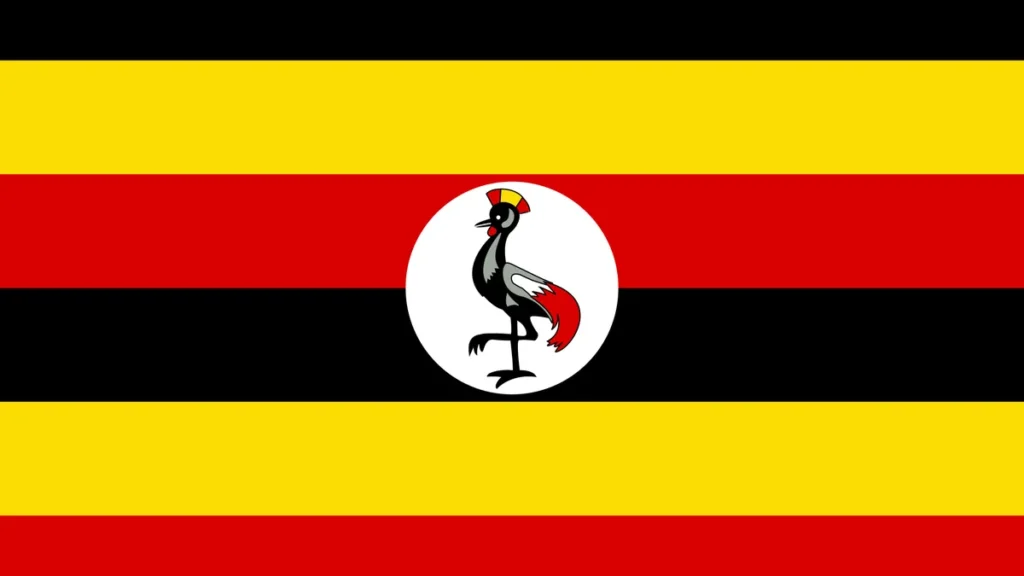
Uganda — Expert Briefing
Uganda at a glance: A landlocked East African state of extraordinary demographic energy and ecological wealth, Uganda sits at the intersection of the Great Lakes region’s political fault lines, making it indispensable to any serious analysis of central and eastern Africa in 2026.
Overview
Capital: Kampala (seat of government; Entebbe hosts the principal international airport). Population: approximately 50 million, according to recent UN Population Division projections, making Uganda one of the fastest-growing populations on the continent, with a median age below 17. Official languages: English and Swahili, with Luganda and dozens of other Bantu and Nilotic languages widely spoken. Currency: Ugandan shilling (UGX). GDP per capita: broadly in the USD 900–1,000 band at current prices, placing Uganda in the low-income category by World Bank classification, though purchasing-power-adjusted figures are meaningfully higher. Uganda matters in 2026 for two compounding reasons: the country is a pivotal host state for more than 1.7 million refugees — the largest refugee population in Africa — while simultaneously advancing an oil pipeline project of continental scale that will reshape its fiscal and geopolitical position for a generation.
Government and Politics
Uganda is a presidential republic. Executive power is concentrated in the presidency, with the president serving as both head of state and head of government. Yoweri Kaguta Museveni has held the presidency since 1986, making him one of the longest-serving leaders in the world; he was re-elected in January 2021 in a poll that international observers, including the African Union and the EU Election Observation Mission, described as marred by violence, intimidation, and restrictions on opposition campaigning. The legislature is a bicameral Parliament consisting of the National Assembly (the principal chamber) and a Senate introduced under constitutional reforms, though in practice legislative authority remains subordinate to executive direction. The ruling National Resistance Movement (NRM) commands a substantial parliamentary majority. The most consequential recent constitutional development was the removal of presidential age limits in 2017, which cleared the path for Museveni — born in 1944 — to stand indefinitely. The next general elections are scheduled for 2026, and the political environment surrounding them is already tense: opposition figure Robert Kyagulanyi Ssentamu, known as Bobi Wine, who leads the National Unity Platform (NUP), remains the most prominent challenger, though his ability to campaign freely has been systematically constrained. The Anti-Homosexuality Act, signed into law in May 2023, has added a significant human rights dimension to Uganda’s international political profile, drawing sanctions and aid suspensions from Western governments and development institutions.
Economy
Uganda’s GDP is estimated at approximately USD 50–55 billion in purchasing power parity terms, with nominal GDP closer to USD 45 billion. The economy rests on three primary pillars: agriculture (employing the majority of the workforce and contributing roughly 24% of GDP, centred on coffee, tea, fish, and maize), services (the largest formal-sector contributor, driven by trade, telecommunications, and financial services), and a growing industrial base. Coffee is Uganda’s dominant export earner, and the country has benefited from elevated global coffee prices in recent years, with robusta beans from the Rwenzori and Elgon regions commanding premium attention. The shilling has experienced periodic depreciation pressure against the dollar, reflecting import-heavy consumption patterns and global commodity volatility, though the Bank of Uganda has maintained broadly credible monetary policy. Uganda’s debt position warrants attention: public debt has risen to above 50% of GDP, partly driven by infrastructure borrowing from Chinese lenders and multilateral institutions, and debt-service obligations are consuming a growing share of government revenue. The single most consequential economic story of the past 24 months is the East African Crude Oil Pipeline (EACOP): the 1,443-kilometre pipeline running from Uganda’s Albertine Graben oilfields to the Tanzanian port of Tanga has moved through financing and construction preparatory phases, though it continues to face legal challenges from environmental groups in European courts and divestment pressure on its lead developer, TotalEnergies. If completed, EACOP would transform Uganda into a significant oil exporter, with first oil production targets having already slipped from earlier projections.
Demographics and Society
Uganda’s population of approximately 50 million is among the youngest in the world, with roughly 48% under the age of 15 and a total fertility rate that, while declining, remains above five children per woman in rural areas. The country is predominantly rural — urbanisation stands at roughly 26–28%, though Kampala’s greater metropolitan area is expanding rapidly and informally, with secondary cities such as Gulu, Mbarara, Jinja, and Mbale growing in economic significance. Ethnically, Uganda is highly diverse: the Baganda of the central region are the largest single group, followed by the Banyankole, Basoga, Bakiga, Iteso, Langi, Acholi, and dozens of others, reflecting the country’s position at the confluence of Bantu, Nilotic, and Central Sudanic linguistic zones. Christianity is the majority religion (roughly 85% of the population, split between Roman Catholics and various Protestant denominations), with Islam accounting for approximately 14%, concentrated in the east and among urban trading communities. The defining social trend of this moment is the youth employment crisis: with an estimated one million young Ugandans entering the labour market each year and formal job creation lagging far behind, labour migration — both within East Africa and increasingly to Gulf states under bilateral labour agreements — has become a structural feature of Ugandan society, generating remittances that now constitute a meaningful share of household income in many districts.
Key Issues Right Now
Regional security and the DRC spillover. Uganda’s western and northern borders remain exposed to instability emanating from the eastern Democratic Republic of Congo. The Uganda People’s Defence Force (UPDF) has maintained a military presence inside eastern DRC under Operation Shujaa, a joint operation with Congolese forces targeting the Allied Democratic Forces (ADF), an Islamist armed group with documented links to Islamic State and responsible for mass civilian killings in North Kivu and Ituri. The operation has achieved tactical gains but has not dismantled the ADF’s capacity, and the broader M23 crisis — in which Rwanda-backed rebels have seized significant territory — has created a volatile regional dynamic that implicates Uganda’s diplomatic relationships with both Kinshasa and Kigali simultaneously.
The 2026 election cycle and political repression. With general elections due in early 2026, Uganda’s political environment is hardening. The National Unity Platform and other opposition formations report sustained harassment of activists, arbitrary arrests, and restrictions on public assembly. The government’s use of the Anti-Homosexuality Act as a political instrument has deepened the rupture with Western donors, several of whom have redirected or suspended budget support. The World Bank paused new public financing to Uganda following the Act’s passage. How the government manages donor relations while maintaining domestic political control — and whether the election produces a credible process — will be the defining political test of the year.
Climate stress and agricultural vulnerability. Uganda is experiencing increasingly erratic rainfall patterns, prolonged dry spells in the cattle corridor of the southwest, and intensified flooding in low-lying areas around Lake Victoria and the Albert Nile basin. These shifts are not abstract: they are already reducing yields of staple crops, driving pastoralist conflict over water and grazing land, and straining the country’s hydropower generation capacity — the Karuma and Isimba dams, which together represent a major expansion of Uganda’s electricity infrastructure, are sensitive to river flow variability. Climate adaptation is nominally a government priority, but implementation capacity and financing remain severely constrained.
Travel and Connectivity
Entebbe International Airport, situated on a peninsula jutting into Lake Victoria approximately 40 kilometres south of Kampala, is Uganda’s principal international gateway and handles the bulk of passenger and cargo traffic. A second international airport at Kabalega (Hoima), designed to serve the oil-producing Albertine region, has been under development. Principal cities beyond Kampala include Gulu (the commercial hub of the north, significantly rebuilt since the end of the LRA conflict), Mbarara (the economic centre of the southwest), Jinja (historically Uganda’s industrial city, situated at the source of the Nile), and Mbale in the east. Uganda’s tourism profile is anchored in high-value, low-volume wildlife and nature experiences: mountain gorilla trekking in Bwindi Impenetrable National Park and Mgahinga, chimpanzee habituation in Kibale, and savannah game viewing in Queen Elizabeth and Murchison Falls national parks. The sector has recovered from the COVID-19 collapse and is growing, though it remains vulnerable to regional security perceptions. Internet penetration stands at approximately 25–30% of the population, with mobile internet — delivered primarily through the MTN Uganda and Airtel Uganda networks — accounting for the overwhelming majority of connections. Mobile money is deeply embedded in the economy: MTN Mobile Money and Airtel Money together serve tens of millions of registered users, and mobile money transactions are a primary mechanism for remittances, retail payments, and savings among both urban and rural populations.
Further Research
Analysts and researchers seeking to deepen their understanding of Uganda should consult the following institutions and resources. The Uganda Bureau of Statistics (UBOS) is the authoritative source for national census data, household surveys, and economic statistics, including the Uganda National Household Survey series. The Bank of Uganda publishes monetary policy statements, financial stability reports, and balance-of-payments data that are essential for any economic analysis. The World Bank Uganda country page provides regularly updated macro data, project documentation, and the Uganda Economic Update series, which offers rigorous biannual analysis of fiscal and development trends. The Africa Center for Strategic Studies (based in Washington, D.C.) produces security-focused briefings on the Great Lakes region, including Uganda’s role in the DRC conflict and the ADF threat. The Makerere University Institute of Social Research (MISR), Uganda’s leading academic social science institution, generates peer-reviewed research on politics, land, gender, and development that is often ahead of the international commentary cycle. Finally, the International Crisis Group’s Great Lakes project provides ongoing conflict analysis covering Uganda’s border security environment, refugee dynamics, and regional diplomatic tensions with the depth and sourcing that journalists and policy analysts require.