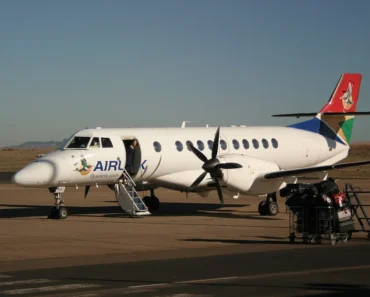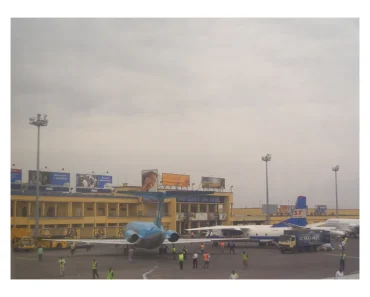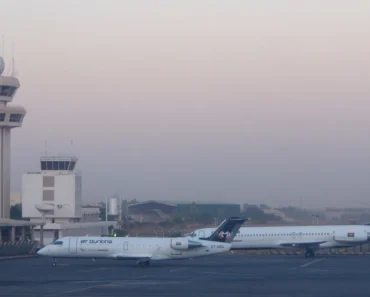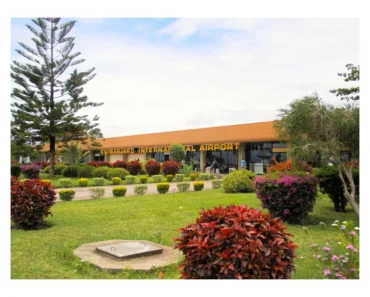
Kamuzu International Airport
Kamuzu International Airport
About
Kamuzu International Airport (IATA: LLW / ICAO: FWKI) is Malawi’s principal international gateway, serving the capital city of Lilongwe and functioning as the country’s primary point of entry for international passengers, cargo, and diplomatic traffic. In the broader context of sub-Saharan African aviation, LLW occupies a modest but strategically meaningful position: it connects a landlocked, largely agricultural economy to the continental air network and, through onward hubs, to intercontinental routes. For travellers, journalists, and researchers moving through the region, it is the most practical entry point into Malawi and a useful transit node for southern and east African itineraries.
The airport takes its name from Hastings Kamuzu Banda, Malawi’s founding president, reflecting the post-independence era in which the facility was developed and formalised as an international airport. It was established to serve Lilongwe after the capital was relocated from Zomba in the early 1970s, with the airport progressively upgraded to handle jet traffic and international operations. Ownership and operational oversight sit with the Malawi government, with the Malawi Airports Development Limited (MADL) serving as the designated airport authority responsible for infrastructure management and development.
Over the decades, Kamuzu International has undergone incremental expansions to its terminal and airside infrastructure, though it has historically operated below the capacity thresholds of larger regional hubs such as Nairobi’s Jomo Kenyatta, Johannesburg’s O.R. Tambo, or Addis Ababa’s Bole International. Discussions around significant capital investment in terminal modernisation and runway rehabilitation have recurred in Malawian aviation policy circles, and industry observers note that the airport’s infrastructure trajectory will be closely tied to broader national development financing.
Country
Malawi is a landlocked nation in southeastern Africa, bordered by Zambia to the northwest, Tanzania to the northeast, and Mozambique to the east, south, and west. Lilongwe serves as the political capital and largest city, with the country’s population estimated in the tens of millions and growing, placing it among the more densely populated nations relative to its land area in the region. Malawi’s economy is heavily reliant on agriculture, with tobacco historically its dominant export, though diversification efforts and humanitarian and development sector activity make air connectivity a matter of considerable economic importance. The country is a member of the Southern African Development Community (SADC) and the Common Market for Eastern and Southern Africa (COMESA), both of which shape its aviation and trade relationships.
→ Read the Malawi expert briefing
Airlines Based Here
Kamuzu International Airport does not currently host a large home-based full-service carrier in the conventional sense. Malawi’s national carrier history has been turbulent: Air Malawi, the former flag carrier, ceased operations in 2013. Efforts to establish successor carriers have had mixed results, and as of 2026, the airport’s scheduled network is served predominantly by visiting international and regional carriers rather than a dominant home-based airline. Skyways Airlines, a Malawian regional operator, has at various points provided domestic and limited regional connectivity, though its operational status has fluctuated. Ethiopian Airlines, Kenya Airways, and South African Airways (where operationally active) have been among the most consistent international carriers serving LLW, using the airport as a spoke destination from their respective continental hubs. Precision Air has provided regional connectivity from Tanzania. The absence of a stable, well-capitalised Malawian flag carrier remains a structural feature of the airport’s commercial environment and a recurring subject in regional aviation policy discussions.
Flights and Destinations
The route network at Kamuzu International is characterised by strong connectivity to major African hub airports, with intercontinental travel typically requiring at least one connection. Representative destinations served from LLW include Addis Ababa (Ethiopian Airlines, providing onward global connectivity), Nairobi (Kenya Airways, a key east African hub connection), Johannesburg (a critical southern African link for both business and leisure travellers), Dar es Salaam (regional east African connectivity), and Lusaka (connecting Malawi to Zambia and the wider COMESA corridor). Harare and Entebbe have also featured in the airport’s regional network at various points. For intercontinental travellers, London, Amsterdam, and Dubai are commonly reached via the Addis Ababa or Nairobi hub connections, making Ethiopian Airlines and Kenya Airways the de facto intercontinental carriers for most LLW passengers. The network is lean by the standards of larger African hubs, reflecting Malawi’s market size, but it provides functional access to the global air system for the country’s diplomatic, NGO, research, and commercial communities.
Facilities and Capacity
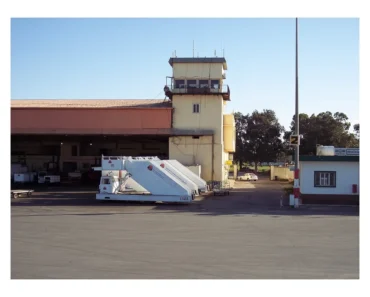
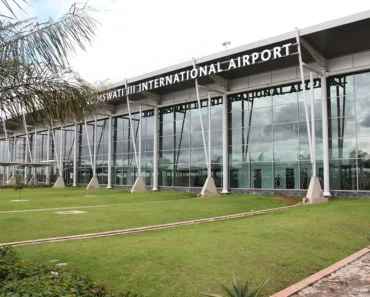
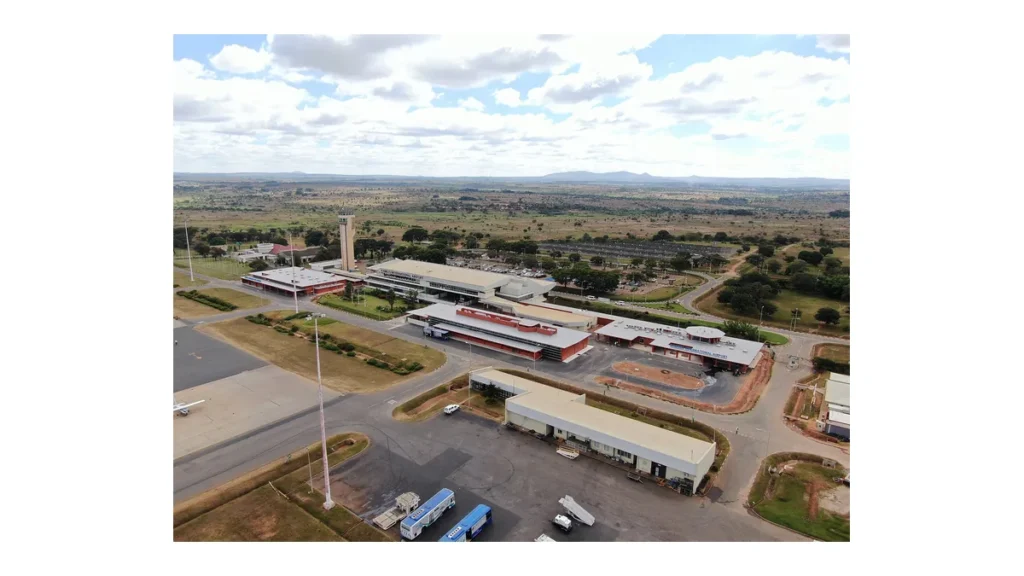
Kamuzu International Airport operates with a single main terminal building handling both international and domestic departures and arrivals, though the two functions are managed through separated processing areas within the facility. The airport has a single primary runway capable of accommodating wide-body jet aircraft, which has historically allowed operations by aircraft types including the Boeing 737 family and, on certain services, larger wide-body equipment. Runway length and pavement condition have been subjects of periodic technical assessment, and any current operational limitations would be confirmed through NOTAM publications and the Malawi Civil Aviation Authority. Cargo facilities exist at the airport and serve Malawi’s export economy, including perishable agricultural goods, though the cargo infrastructure is not on the scale of dedicated freight hubs elsewhere in the region. By standard industry classification, LLW is considered a small-to-medium international airport. According to publicly disclosed traffic data from periods prior to 2026, annual passenger throughput has remained well below the one-million mark in most reported years, though industry estimates suggest gradual growth tied to economic activity and NGO sector travel. Expansion plans, including terminal upgrades and airside improvements, have been discussed within Malawian government and MADL frameworks, with financing arrangements subject to ongoing negotiation.
Visa Regulations
Travellers arriving at Kamuzu International Airport are subject to Malawi’s national visa regime, which has evolved in recent years toward greater accessibility. Citizens of many countries, including the United States, United Kingdom, and European Union member states, have generally been eligible to obtain a visa on arrival at LLW, with Malawi also having developed an eVisa system to allow pre-travel authorisation. Citizens of a number of African nations, particularly within the SADC and COMESA blocs, have benefited from visa-free or simplified entry arrangements under regional agreements. However, visa policy is subject to change through bilateral agreements, government policy updates, and reciprocity arrangements, and travellers should not rely solely on historical information. For the current, verified visa position for your specific passport, consult the Malawi Department of Immigration and Citizenship Services directly or use the live lookup tool: → Check current visa requirements for Malawi.
Recent Developments
In the 24 months leading into 2026, Kamuzu International Airport has seen a number of operationally significant developments. Ethiopian Airlines has maintained and, by some industry reports, reinforced its service frequency to Lilongwe, reflecting the carrier’s broader pan-African network expansion strategy. Discussions around attracting additional carriers to LLW have been a stated priority for Malawian aviation authorities, with the government engaging in route development conversations at regional aviation forums. Infrastructure rehabilitation work, including assessments of terminal capacity and airside safety compliance, has been reported in Malawian government communications, though the pace and funding of physical works have been subject to the country’s broader fiscal constraints. The post-pandemic recovery of passenger volumes has continued, with regional leisure, VFR (visiting friends and relatives), and humanitarian sector travel contributing to demand recovery. Regulatory engagement with ICAO’s regional office for eastern and southern Africa has continued as part of ongoing safety oversight processes.
News and Reports
Researchers and journalists tracking developments at Kamuzu International Airport should consult several authoritative source categories. The Malawi Airports Development Limited (MADL) periodically publishes operational updates and press communications through official government channels. The Malawi Civil Aviation Authority (MCAA) is the primary regulatory body and publishes safety, licensing, and regulatory notices relevant to LLW operations. At the continental level, IATA’s Africa regional reports and the African Airlines Association (AFRAA) publish market data and policy analysis relevant to airports of LLW’s profile. ICAO’s Eastern and Southern African Regional Office provides safety audit findings and regional air navigation updates. Aviation trade publications including ch-aviation, Cirium, and The Air Current provide commercial route and fleet data. For Malawi-specific economic and development context, the World Bank, African Development Bank, and UNDP publish country reports that frequently address infrastructure including aviation.