Ethiopia statistics — population, economy, trade and telecom
As Africa’s second-most populous nation and one of the continent’s fastest-growing economies over the past two decades, Ethiopia occupies a pivotal position in regional development narratives. In 2026, with the country navigating post-conflict reconstruction in Tigray, ambitious infrastructure expansion, and deepening integration into global value chains, reliable data on Ethiopia’s demographic and economic fundamentals is essential for investors, policymakers, and development partners seeking to understand both the opportunities and the structural risks at play.
Population and Demographics
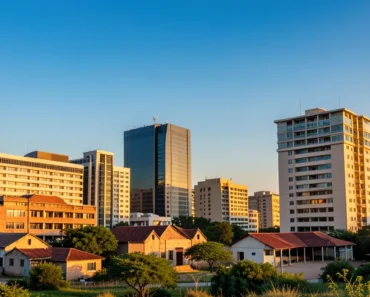
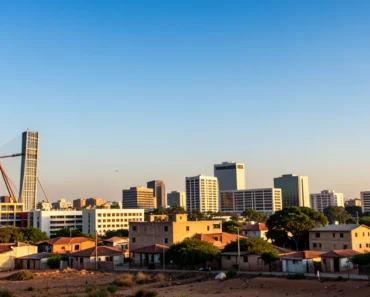
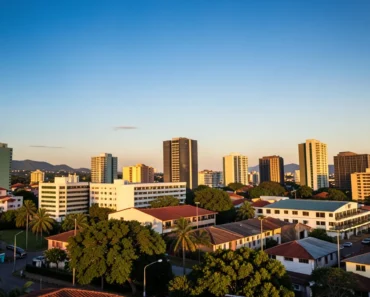
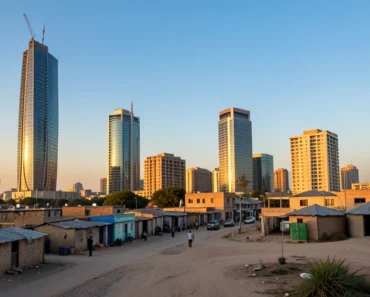
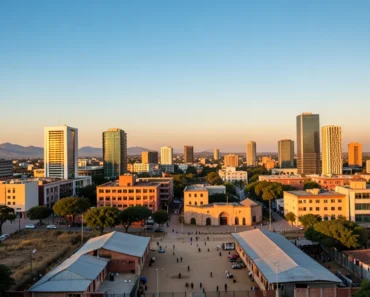
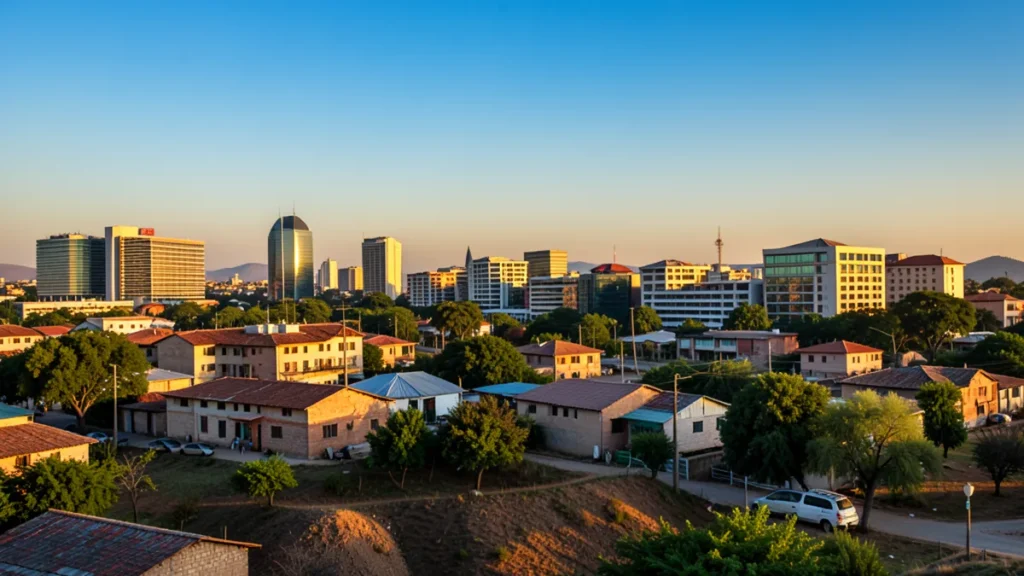
Ethiopia’s population is estimated at approximately 130 to 133 million people as of 2025, making it the second-largest country by population in Africa after Nigeria and among the top fifteen globally. The UN projects a growth rate of roughly 2.5 to 2.7 percent per annum, meaning the population could approach 150 million before 2030. The median age sits at approximately 19 to 20 years, reflecting an extraordinarily young demographic profile that simultaneously represents a future labour dividend and a near-term pressure on education, healthcare, and employment systems. Urbanisation remains comparatively low by continental standards — World Bank estimates place the urban population share at around 23 to 25 percent — though cities such as Addis Ababa, Dire Dawa, and Mekelle are expanding rapidly. Addis Ababa alone is home to an estimated five to six million residents and functions as the diplomatic capital of the African continent, hosting the African Union headquarters.
Economic Indicators
Ethiopia’s GDP in current US dollar terms is estimated by the IMF at roughly 160 to 175 billion dollars for 2024–2025, depending on exchange rate methodology applied following the significant birr devaluation of mid-2024. GDP per capita remains low in absolute terms — approximately 1,200 to 1,400 US dollars on a nominal basis — though purchasing power parity figures are considerably higher. Real GDP growth has been among the strongest in sub-Saharan Africa, with the IMF projecting growth in the range of 6 to 7.5 percent for 2024 and 2025, driven by public investment, services expansion, and agricultural output. Inflation has been a persistent challenge: consumer price inflation ran at elevated double-digit levels through much of 2023 and 2024, partly a consequence of the birr’s managed float adjustment and global commodity pressures, though authorities have targeted a gradual reduction. The official currency is the Ethiopian birr (ETB). Unemployment data is difficult to assess given the dominance of informal and subsistence employment, but youth unemployment in urban areas is widely regarded as a structural concern. Public debt-to-GDP is estimated at roughly 35 to 45 percent of GDP, though external debt servicing obligations — including obligations to Chinese creditors — have placed Ethiopia under IMF debt restructuring discussions as part of the G20 Common Framework process.
Trade and External Accounts
Ethiopia’s export base remains narrow and heavily concentrated. Coffee is the dominant export commodity, accounting for roughly 30 to 40 percent of merchandise export earnings, with Ethiopia widely recognised as the origin of Arabica coffee. Other significant exports include cut flowers and horticulture products — where Ethiopia has become one of Africa’s leading suppliers to European markets — as well as oilseeds, gold, leather and leather products, and live animals. On the import side, capital goods, fuel, industrial machinery, and consumer goods dominate. China, the United Arab Emirates, Saudi Arabia, the United States, and various European Union member states feature among Ethiopia’s principal trading partners. The current account deficit has been a persistent structural feature, reflecting the gap between import demand driven by infrastructure investment and a relatively limited export base. Industry reports suggest the current account deficit has ranged between 3 and 6 percent of GDP in recent years, financed through a combination of foreign direct investment, remittances — which are substantial, estimated at several billion dollars annually — and concessional lending.
Key Sectors
Agriculture remains the backbone of the Ethiopian economy, employing an estimated 70 to 75 percent of the workforce and contributing roughly 35 to 40 percent of GDP. Smallholder farming dominates, with coffee, teff, maize, sorghum, and pulses among the primary crops. Climate variability and recurring drought cycles — exacerbated by El Niño conditions in 2023 and 2024 — continue to pose systemic risks to food security and rural incomes. The industrial sector, contributing approximately 25 to 30 percent of GDP, has been shaped by government-led investment in industrial parks, particularly in textiles and garments, with facilities in Hawassa, Bole Lemi, and other zones attracting foreign manufacturers. The services sector — including trade, transport, finance, and public administration — accounts for the remaining share of output and has been the fastest-growing segment in recent years. The Grand Ethiopian Renaissance Dam (GERD) on the Blue Nile represents a transformative infrastructure asset, with hydroelectric power generation capacity that could significantly alter Ethiopia’s energy export potential and domestic electrification rates, though geopolitical tensions with downstream nations Egypt and Sudan remain unresolved. Mining, including gold and tantalum extraction, contributes modestly but is identified as a growth sector under national development frameworks.
Telecommunications and Digital
Ethiopia’s telecommunications sector has undergone structural transformation following the partial liberalisation of a historically state-monopolised market. Ethio Telecom remains the dominant operator, though Safaricom Ethiopia — a consortium including Safaricom, Vodacom, and international development finance institutions — launched commercial services and has been expanding its subscriber base. Mobile penetration is estimated at roughly 45 to 55 percent of the population as of 2024–2025, according to ITU and industry estimates, reflecting significant headroom for growth given the demographic scale. Internet penetration remains comparatively low, with figures suggesting 20 to 30 percent of the population has access to the internet, with mobile broadband being the primary access channel. Mobile money services are expanding: Ethio Telecom’s Telebirr platform has enrolled tens of millions of users since its 2021 launch and represents one of the more rapid mobile money adoption stories on the continent. Safaricom Ethiopia’s M-PESA rollout adds further competitive pressure and consumer choice. Infrastructure investment in 4G coverage and early 5G planning is ongoing, though rural connectivity gaps remain substantial.
Sources and Methodology
The data and estimates presented in this dashboard draw on a range of authoritative international and regional sources. Macroeconomic indicators reference the International Monetary Fund World Economic Outlook database and Article IV consultation reports, as well as the World Bank’s World Development Indicators. Population and demographic figures are sourced from UN Population Division projections and the Ethiopian Central Statistical Agency (CSA). Trade data references the International Trade Centre (ITC), UN Comtrade, and the National Bank of Ethiopia. Telecommunications and digital statistics draw on the International Telecommunication Union (ITU), GSMA Intelligence, and operator-level disclosures. Sector-level analysis incorporates African Development Bank country reports and African Union Commission economic assessments. Where precise figures could not be verified with confidence, approximate ranges and qualifying language have been used in accordance with this publication’s editorial standards. Readers are encouraged to consult primary sources directly for the most current data releases, as Ethiopia’s statistical environment is subject to revision, particularly following the 2024 exchange rate reform.
For deeper qualitative analysis of Ethiopia’s political economy, investment climate, and development trajectory, visit the Ethiopia expert briefing. To compare Ethiopia’s indicators with those of other African nations, explore all African country statistics on this platform. For broader context on growth drivers, trade dynamics, and structural transformation across the continent, see our African economy pillar.