Djibouti statistics — population, economy, trade and telecom
As the Horn of Africa’s most strategically positioned microstate, Djibouti punches well above its weight in regional geopolitics and global logistics. In 2026, with Red Sea shipping routes under sustained pressure and East African integration deepening, understanding Djibouti’s core statistics is essential for investors, policymakers, and analysts tracking the continent’s northern gateway. This dashboard draws on 2024–2025 reference data to provide a current, evidence-based snapshot of the country’s demographic, economic, and digital landscape.
Population and Demographics
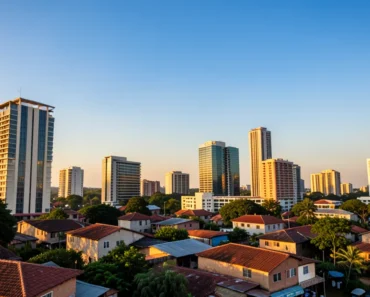
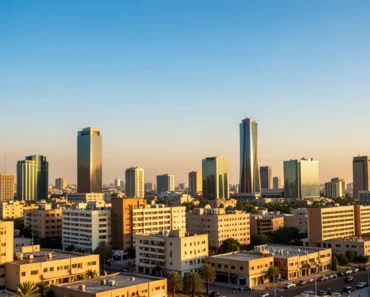
Djibouti’s population is estimated at approximately 1.1 million people as of 2025, according to UN Population Division projections. The country is one of Africa’s most urbanised nations, with roughly 78 to 80 percent of residents concentrated in Djibouti City and its immediate surroundings — an urbanisation rate that places it among the highest on the continent. The median age is estimated at around 25 years, reflecting a relatively young population typical of the broader East African region. Annual population growth runs at approximately 1.5 to 1.8 percent, a rate that has moderated compared to earlier decades but still exerts pressure on housing, water, and public services in the capital. The population is ethnically divided primarily between Somali (Issa) and Afar communities, with smaller Arab and expatriate communities playing an outsized economic role, particularly in trade and services. The country hosts a significant refugee and migrant population, with UNHCR estimates suggesting tens of thousands of individuals from Ethiopia, Somalia, and Eritrea residing within its borders at any given time.
Economic Indicators
Djibouti’s GDP is estimated at roughly 4 to 4.5 billion USD in current prices for 2024, based on IMF World Economic Outlook data. GDP per capita stands at approximately 3,500 to 4,000 USD, positioning the country in the lower-middle-income bracket, though this figure masks significant inequality between the urban commercial class and rural or peri-urban populations. The IMF projects GDP growth in the range of 5 to 6 percent for 2024–2025, driven primarily by port activity, logistics infrastructure investment, and foreign military base revenues. Inflation has been a persistent concern: consumer price inflation ran at roughly 3 to 5 percent in 2024, influenced by global food and fuel import costs given the country’s near-total dependence on imported goods. Unemployment remains structurally high, with World Bank estimates suggesting rates above 25 percent nationally and considerably higher among youth. Djibouti uses the Djiboutian franc (DJF), which has been pegged to the US dollar at a fixed rate of 177.72 DJF per USD since 1973 — a monetary anchor that provides exchange rate stability but limits monetary policy flexibility. Public debt-to-GDP is a significant concern: World Bank and IMF assessments have placed it at well above 60 percent of GDP in recent years, with substantial external obligations linked to Chinese infrastructure financing, particularly for the Addis Ababa–Djibouti Railway and port development projects.
Trade and External Accounts
Djibouti’s trade profile is defined almost entirely by its role as a transit economy. The country has minimal domestic exports of goods; instead, re-exports and transit fees constitute the backbone of its external revenue. Ethiopia, which is landlocked, accounts for the overwhelming majority of cargo transiting Djibouti’s ports — industry estimates suggest Ethiopia represents upwards of 70 percent of port throughput. Top import categories include food products, machinery, petroleum products, and consumer goods, all of which are largely re-exported or consumed domestically. Key trading partners include China, India, the Gulf states (particularly the UAE and Saudi Arabia), and Ethiopia. The current account deficit is structurally wide, reflecting the country’s import dependency, though it is partially offset by services income from port operations, military base leasing fees from France, the United States, China, Japan, and Italy, and remittance inflows. The IMF has flagged the current account deficit as a medium-term vulnerability, particularly given external debt servicing obligations.
Key Sectors
Services dominate Djibouti’s economy, accounting for an estimated 75 to 80 percent of GDP. Within services, port and logistics operations are the single most important driver of economic activity. The Doraleh Multipurpose Port, the Doraleh Container Terminal, and associated free trade zone infrastructure collectively handle millions of tonnes of cargo annually, making Djibouti one of Africa’s busiest maritime hubs. The Djibouti Ports and Free Zones Authority (DPFZA) has continued to attract foreign direct investment into warehousing, cold-chain logistics, and light manufacturing within the free zone. Military base revenues represent another significant services income stream, with multiple foreign powers maintaining permanent installations. Agriculture is negligible, constrained by arid terrain and scarce freshwater resources; the sector contributes less than 4 percent of GDP and employs a small fraction of the workforce, primarily in pastoralism. Industry, including construction, is estimated at roughly 15 to 20 percent of GDP, boosted by ongoing infrastructure projects. Tourism remains underdeveloped relative to the country’s ecological assets — including Lake Assal, one of the world’s saltiest bodies of water, and Gulf of Tadjoura marine environments — though the government has identified it as a priority diversification sector.
Telecommunications and Digital
Djibouti’s telecommunications sector is notable for its strategic infrastructure despite a small domestic market. Djibouti Telecom holds a de facto monopoly over fixed-line and broadband services, though the government has periodically signalled intentions to liberalise the sector. Mobile penetration is estimated at approximately 45 to 55 percent of the population, a figure that remains relatively modest by regional standards and reflects affordability constraints. Internet penetration has grown steadily, with ITU and World Bank data suggesting rates of roughly 60 to 65 percent for at least basic internet access, partly driven by mobile broadband. Djibouti’s significance in global digital infrastructure far exceeds its population size: the country serves as a critical submarine cable landing hub, with multiple major cable systems — including DARE1, EASSy, and others — connecting through Djibouti to link Europe, Asia, and East Africa. Mobile money adoption has grown but remains less mature than in neighbouring Ethiopia or Kenya; Djibouti Telecom’s D-Money platform is the primary domestic mobile financial service. Expanding digital financial inclusion is identified in national development plans as a priority for broadening economic participation.
Sources and Methodology
This dashboard draws on publicly available data from the World Bank Open Data platform, IMF World Economic Outlook and Article IV consultation reports, UN Population Division projections, the International Telecommunication Union (ITU) ICT statistics database, UNHCR operational data, and the African Union’s statistical frameworks. Where precise figures were unavailable or subject to revision, approximate ranges and qualified language have been used in accordance with this site’s editorial standards. National-level data from the Djibouti Direction de la Statistique et des Études Démographiques (DISED) has been referenced where accessible, though data timeliness and granularity at the national statistics office level can vary. All figures should be treated as indicative and cross-referenced with primary sources for investment or policy decisions. This article reflects a 2026 publication perspective using the most recent available 2024–2025 reference data at time of writing.
For deeper qualitative and geopolitical context behind these numbers, visit our Djibouti expert briefing. To benchmark Djibouti against other African nations, explore all African country statistics on this platform. For broader analysis of growth trends, investment climates, and structural transformation across the continent, see our African economy pillar.